988 Suicide & Crisis Lifeline
If you are experiencing suicidal thoughts, overwhelming emotional distress, or a mental health crisis, call or text 988.
Support is free, confidential, and available 24 hours a day.


Support
Trusted places to turn—when you need help now, gentle guidance, or simply a place to begin.
Losing a spouse can affect every part of your life. Grief, loneliness, parenting, finances, mental health, legal questions, and everyday responsibilities can all become harder at once.
You do not have to figure everything out on your own.
Below are trusted resources that may be able to help—whether you need immediate support, want to connect with other widows, are looking for grief support, or need practical help with finances, parenting, or legal issues.
Immediate support
If you are in crisis, reach out now. Support is free, confidential, and available around the clock.
If you are experiencing suicidal thoughts, overwhelming emotional distress, or a mental health crisis, call or text 988.
Support is free, confidential, and available 24 hours a day.
If talking on the phone feels difficult, you can connect with a trained Crisis Counselor by text.
Text HOME to 741741 in the United States. Support is free and available 24/7.
If you or someone else is in immediate physical danger or experiencing a life-threatening emergency, call 911 or go to the nearest emergency room.

Community
Sometimes the most helpful person to talk to is someone who understands what it is like to lose a spouse.
HopeHub is a free, private space created by It’s Lifey to help widows connect, share, and find community with others who understand widowhood.
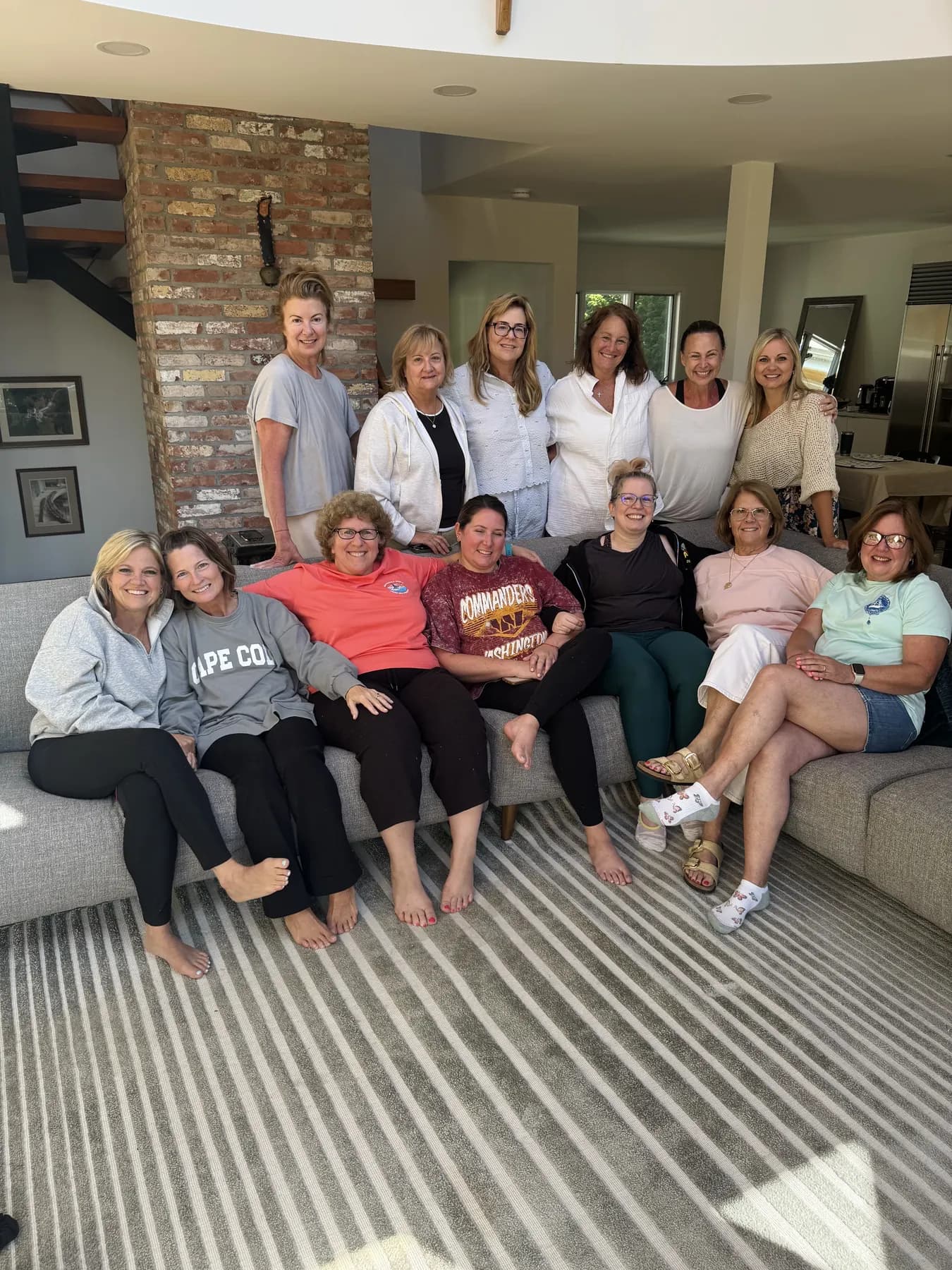
It’s Lifey hosts gatherings designed to bring widows together in a supportive, welcoming environment—a chance to meet other widows, build real connections, and spend time with people who understand.
Check upcoming events and ways to participate.
Support
There is no correct timeline for grief. Support can be useful whether your loss happened recently or many years ago.
The Dougy Center provides free grief resources near you (just enter your zip code) for adults, children, teenagers, young adults, parents, and families—covering many kinds of loss, including the death of a spouse.
Compassionate grief and life-transition coaching with Julie Foster—supporting adults as they process loss, find steadier ground, and take a next step forward.
End-of-life care and bereavement support in MetroWest, Massachusetts—including Widows’ Walk, a movement-based community for people navigating the death of a partner.
Widow, grief coach, author, and influencer Kelci Jager shares honest guidance for life after loss—tools, community, and hope for navigating grief while honoring the love that remains.
Guides, conversations, books, and practical resources focused on grief, loss, and life after someone you love dies.

Care
Grief can sometimes overlap with depression, anxiety, trauma, sleep problems, or other mental health concerns. If you are struggling, reaching out for support can be an important step.
The National Alliance on Mental Illness provides free mental health information, support, and help finding resources.
Call 1-800-950-NAMI (6264) or text NAMI to 62640. The NAMI HelpLine is not an emergency crisis service. If you are in crisis, call or text 988.
A federal directory for finding mental health and substance use treatment providers in your area.
Confidential information and referrals for people looking for mental health or substance use treatment.
Call 1-800-662-4357.

Family
Parenting while grieving can be exhausting. You may be trying to manage your own loss while also helping your children understand theirs. You do not need to have all the answers.
Free information and resources for widowed parents and their children—post-death checklists, grief camps, scholarships, Social Security guidance, and practical support for parenting after loss.
Age-appropriate activities, information, and support resources for grieving children, parents, and caregivers.

Practical help
The financial side of losing a spouse can feel overwhelming, especially while you are also grieving. There may be trusted advisors, benefits, and community resources available to help.
Financial guidance for widows navigating life after loss—trusted partners of It’s Lifey and presenting sponsor of the Widow Wellness & Connection Experience.
Financial guidance for people rebuilding after major life change—joining It’s Lifey as a sponsor of the November Widow Wellness & Connection Experience.
Depending on your circumstances, you or your children may qualify for Social Security survivor benefits based on your spouse’s work history.
211 connects people with local services including financial assistance, food, housing support, utility assistance, mental health services, transportation, and community programs.
Call 211 or search for services online.
Guidance
After the death of a spouse, you may encounter legal questions involving estates, probate, housing, benefits, debt, custody, or other issues. Trusted estate attorneys and free or low-cost legal assistance may be available.
Estate planning and probate attorneys in Massachusetts—helping families protect what matters and navigate wills, trusts, and the practical legal steps after a loss.
Estate planning guidance for parents and families—helping you protect loved ones and bring clarity to wills, trusts, and legacy planning after loss.
Helps you locate nonprofit legal aid organizations in your area.
Connects people with free legal aid programs, legal information, and court resources by state.
Veterans
If your spouse served in the military, you may qualify for additional benefits and support.
The Department of Veterans Affairs provides information about benefits that may be available to surviving spouses, children, and parents of eligible veterans—including survivor compensation, pensions, education benefits, and other assistance.
Veterans and people concerned about a veteran can call 988 and press 1 to reach the Veterans Crisis Line.
A soft place to land
That is okay. You do not need to know exactly what kind of help you need before reaching out.
For immediate emotional support, call or text 988. For help finding local services such as counseling, financial assistance, food, housing, or community programs, call 211.
If what you need most is connection with other widows, explore HopeHub or join an upcoming It’s Lifey gathering.
Take what is useful to you. Leave what is not. There is no single way to move through grief.